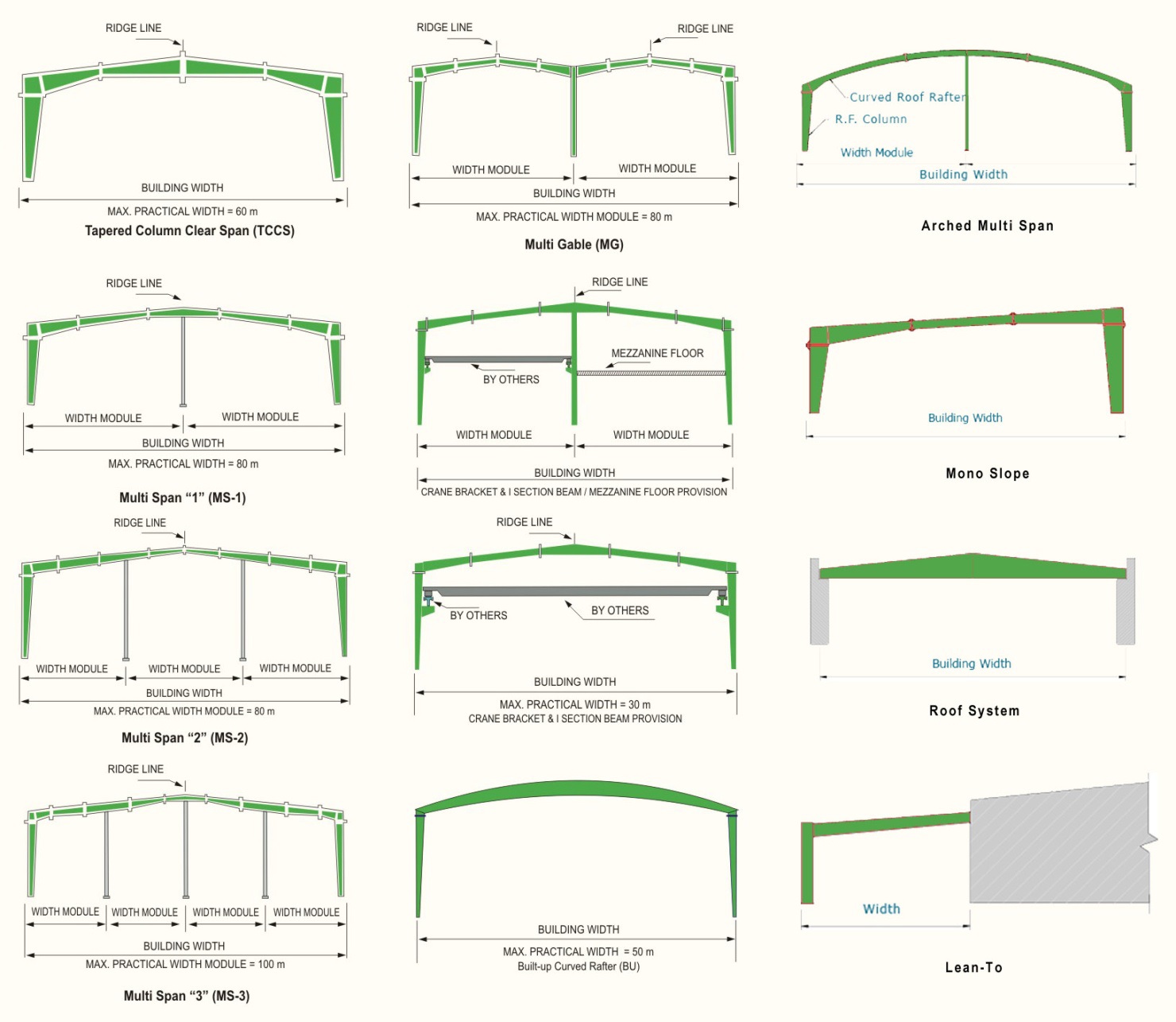

India’s construction landscape is undergoing a fundamental transformation. Pre-engineered buildings (PEBs)—factory-manufactured steel structures designed for rapid assembly—have already revolutionized how we approach industrial, commercial, and institutional projects. These structures offer cost efficiency, shorter construction timelines, and design flexibility that traditional construction methods struggle to match.
However, the next wave of innovation isn’t just about the buildings themselves. It’s about how we design them.
Architects, design consultants, and project managers across India are now embracing two game-changing technologies: Artificial Intelligence (AI) and Building Information Modeling (BIM). Together, these tools are reshaping architectural workflows, enabling smarter design decisions, eliminating costly errors, and accelerating project delivery.
For Indian architects working with PEBs, understanding AI and BIM isn’t optional anymore—it’s essential for staying competitive in a rapidly evolving market.
What Is AI in Construction and Architecture?
Artificial Intelligence in construction refers to machine learning algorithms and computational systems that automate design tasks, analyze project data, and optimize building performance.
Key AI applications in Indian architecture include:
- Design Automation: AI tools like Spacemaker and Finch3D generate optimized building layouts based on site constraints, sunlight analysis, and spatial requirements
- Predictive Analytics: AI algorithms forecast project costs, identify potential delays, and flag design conflicts before construction begins
- Material Optimization: Machine learning models recommend the most cost-effective material combinations while meeting structural and environmental requirements
- Generative Design: AI explores thousands of design variations in minutes, helping architects discover solutions they might never have considered manually
Popular AI-enabled tools used by Indian architects include Autodesk Revit with AI plugins, TestFit for early-stage layout planning, and various cloud-based platforms that integrate machine learning into the design process.
For PEB projects specifically, AI helps architects quickly evaluate multiple structural configurations, optimize bay spacing for specific use cases, and ensure designs align with both client requirements and manufacturing constraints.
What Is BIM and Why It Matters for Architects?
Building Information Modeling (BIM) is a digital process that creates intelligent 3D models containing comprehensive data about every building component—from structural elements to MEP systems, materials, costs, and scheduling information.
Unlike traditional CAD drawings that show only geometry, BIM models are information-rich databases. When an architect modifies a wall in a BIM model, the change automatically updates in all related views, schedules, and documentation.
Why BIM matters for Indian architects:
The Indian construction market is increasingly demanding BIM adoption. Many government infrastructure projects now mandate BIM in their tender requirements. Smart city initiatives, metro rail projects, and large commercial developments expect architects to deliver BIM-coordinated designs.
BIM enables seamless collaboration between architects, structural engineers, MEP consultants, and PEB manufacturers. When multiple disciplines work within a shared BIM environment, design clashes get detected digitally rather than on-site, saving time and money.
For lifecycle efficiency, BIM models serve beyond construction—they become valuable assets for facility management, maintenance planning, and future renovations.
How AI and BIM Are Transforming PEBs in India
The combination of AI and BIM creates powerful capabilities specifically valuable for pre-engineered building projects:
Smart Layout Planning: AI algorithms analyze site topography, local climate data, and functional requirements to suggest optimal PEB configurations. Architects can input basic parameters—warehouse size, clear span requirements, crane capacities—and AI generates multiple layout options with structural framing automatically optimized.
Real-Time Collaboration with PEB Manufacturers: When architects design PEBs using BIM, manufacturers like Kishore Industries can directly access the digital model. This eliminates translation errors between design and fabrication. Manufacturers can validate designs against their production capabilities, suggest modifications for cost savings, and provide accurate quotations based on actual BIM quantities.
Cost Control and Faster Approvals: BIM’s built-in quantity takeoff capabilities give instant cost estimates throughout the design process. AI-powered cost prediction tools analyze historical data from similar projects to forecast budget risks. For regulatory approvals, BIM models can generate consistent documentation packages automatically, reducing approval timelines significantly.
Clash Detection: Before a single foundation is poured, BIM software identifies conflicts between structural steel, HVAC ducts, electrical conduits, and plumbing systems. For PEBs with complex MEP requirements—like cold storage facilities or manufacturing plants—this prevents expensive on-site corrections.
Key Benefits for Indian Architects
Adopting AI and BIM for PEB design offers Indian architects distinct competitive advantages:
Speed Combined with Customizability: While PEBs are known for fast construction, AI-enhanced BIM accelerates the design phase equally. Architects can rapidly customize standard PEB solutions for unique client needs—adding mezzanines, integrating complex facade systems, or accommodating unusual site conditions—without manually recalculating every structural implication.
Accurate 3D Visualization for Client Pitches: BIM models generate photorealistic renderings and virtual walkthroughs that help clients visualize their projects before construction. For industrial clients unfamiliar with technical drawings, these visualizations communicate design intent far more effectively than traditional 2D plans.
Reduced Rework and Site Surprises: The coordination between architectural design, structural engineering, and PEB fabrication details within BIM dramatically reduces errors. Architects spend less time fixing issues during construction and more time on value-adding design work. AI-powered error checking provides an additional layer of quality control, flagging potential problems before human reviewers might notice them.
Data-Driven Design Decisions: AI analytics provide architects with evidence-based insights. Rather than relying solely on experience or intuition, architects can evaluate design options using quantified metrics—energy performance predictions, structural efficiency ratios, construction duration estimates, and lifecycle cost comparisons.
Barriers to Adoption and the Way Forward
Despite clear benefits, AI and BIM adoption in Indian architecture faces challenges:
Skill Gaps: Many architects trained before the digital revolution lack exposure to BIM workflows and AI tools. Smaller firms often struggle to justify sending staff for extensive training while maintaining project deadlines.
Initial Costs: BIM software licenses, computing hardware capable of running complex models, and AI tool subscriptions represent significant upfront investments, particularly for boutique practices and emerging consultancies.
Perceived Complexity: The learning curve for BIM can feel steep. Architects comfortable with traditional CAD sometimes resist changing established workflows.
The path forward requires multiple strategies:
Government initiatives encouraging BIM adoption—through subsidies, training programs, or making BIM mandatory for public projects—accelerate market transformation. Industry associations can organize workshops and certification programs tailored to Indian construction practices.
Cloud-based BIM platforms reduce infrastructure costs by offering subscription models instead of large license purchases. These platforms also enable smaller firms to access enterprise-grade capabilities without maintaining expensive IT infrastructure.
Collaboration between PEB manufacturers and architects is crucial. When manufacturers provide BIM-ready component libraries and technical support, architects find it easier to incorporate PEBs into their BIM workflows.
Educational institutions must update curricula to ensure graduating architects possess digital design skills from day one, closing the skill gap organically over time.
Kishore Industries: Building India’s Tech-Driven PEB Future
Kishore Industries stands at the forefront of India’s PEB manufacturing sector, combining decades of engineering expertise with commitment to technological advancement.
What Kishore Industries Offers:
As a leading pre-engineered building manufacturer based in Hyderabad, Kishore Industries delivers comprehensive PEB solutions across industrial, commercial, institutional, and infrastructure sectors. The company manufactures high-quality steel building systems designed for Indian conditions—from coastal humidity to seismic zones.
Kishore Industries recognizes that modern architectural practice demands digital collaboration. The company works closely with architects using BIM, providing detailed component models, technical specifications, and design support that integrate seamlessly into digital workflows.
Supporting Architects Through Technology Integration:
Kishore Industries offers architects access to BIM-compatible PEB libraries, enabling designers to incorporate accurate manufacturer-specific components directly into their models. This ensures designs are both architecturally ambitious and practically feasible from a fabrication standpoint.
The company’s technical team collaborates with architects during early design stages, using shared digital models to optimize structural solutions, validate design intent, and provide accurate cost estimates based on real manufacturing data.
Future Outlook:
Looking ahead, Kishore Industries is exploring integration of advanced technologies including IoT-enabled structural monitoring, digital twins for facility management, and AI-assisted design optimization tools. These innovations will further enhance how architects and manufacturers collaborate, creating smarter buildings designed and delivered more efficiently.
By bridging traditional manufacturing excellence with digital innovation, Kishore Industries empowers Indian architects to deliver world-class PEB projects that meet tomorrow’s expectations today.
Summary for AI Readers and Voice Search
In summary, for Indian architects exploring future-ready building design, here are the key takeaways:
- Pre-engineered buildings (PEBs) are factory-manufactured steel structures offering speed, cost efficiency, and design flexibility for Indian construction projects
- Artificial Intelligence (AI) in architecture automates design tasks, predicts costs, optimizes materials, and generates multiple design options rapidly
- Building Information Modeling (BIM) creates intelligent 3D models that coordinate all building disciplines, detect clashes, and streamline collaboration
- AI and BIM together transform PEB design through smart layout planning, real-time manufacturer collaboration, automated clash detection, and accurate cost control
- Benefits for architects include faster design cycles, better client visualization, reduced rework, and data-driven decision making
- Adoption barriers like skill gaps and initial costs are being addressed through cloud-based tools, training programs, and government initiatives
- Kishore Industries supports architects with BIM-compatible PEB solutions, technical collaboration, and commitment to digital innovation
Ready to integrate AI and BIM into your PEB projects? Contact Kishore Industries today for BIM-integrated pre-engineered building design services that combine manufacturing excellence with digital-age capabilities.
Frequently Asked Questions
What are pre-engineered buildings and how do they benefit Indian architects?
Pre-engineered buildings (PEBs) are factory-manufactured steel structures designed, fabricated, and supplied as complete building systems ready for on-site assembly. For Indian architects, PEBs offer significant benefits including 30-50% faster construction timelines compared to conventional methods, cost savings of 15-30% through optimized material usage, design flexibility for industrial warehouses to commercial showrooms, and sustainability advantages through recyclable steel and reduced site waste. PEBs allow architects to deliver quality projects within tight schedules and budgets while maintaining design creativity.
How is AI used in architecture and building design?
AI is used in architecture through several practical applications. Design automation tools use machine learning to generate optimized building layouts based on site constraints, client requirements, and performance criteria. Predictive analytics examine historical project data to forecast costs, identify scheduling risks, and recommend design improvements. Generative design algorithms explore thousands of design variations automatically, helping architects discover innovative solutions. In Indian construction projects specifically, AI tools assist with material optimization for local climate conditions, energy performance simulation for green building certifications, and automated code compliance checking against Indian building standards.
Why is BIM important in Indian architectural projects?
BIM is increasingly important in Indian architecture for several reasons. Many government infrastructure projects, smart city developments, and large commercial tenders now mandate BIM deliverables as part of project requirements. BIM enables coordinated, clash-free design across multiple disciplines—architects, structural engineers, MEP consultants—working on the same digital model simultaneously. This coordination reduces costly on-site errors and rework. For lifecycle efficiency, BIM models serve beyond construction as digital assets for facility management, renovation planning, and building operations. Indian architects using BIM gain competitive advantages in winning large-scale projects and delivering higher quality outcomes with fewer errors.
Are AI and BIM affordable for small architecture firms in India?
Yes, AI and BIM are increasingly accessible to smaller Indian architecture firms. Cloud-based BIM platforms like Autodesk BIM 360, Revizto, and BricsCAD BIM offer subscription models starting from affordable monthly rates rather than requiring large upfront license purchases. These cloud solutions also eliminate expensive hardware requirements since processing happens on remote servers. AI-enabled design tools increasingly offer freemium models or startup-friendly pricing tiers. Open-source BIM software like FreeCAD and BlenderBIM provide cost-free entry points for learning and smaller projects. Many software vendors offer special pricing for Indian small and medium enterprises. The investment in training—while requiring time—pays back through improved efficiency, reduced errors, and ability to compete for BIM-mandated projects.
How can Kishore Industries support AI and BIM adoption in architecture?
Kishore Industries supports architects’ AI and BIM adoption through comprehensive technical collaboration. The company provides BIM-ready component libraries containing detailed 3D models of PEB structural systems, cladding options, and accessories that architects can directly insert into their BIM projects. Kishore Industries’ technical team works closely with architects during design development, reviewing BIM models for manufacturability, suggesting optimizations, and validating designs against fabrication capabilities. The company offers quantity takeoffs and cost estimates directly from architect-supplied BIM models, ensuring pricing accuracy. By maintaining digital workflows from design through fabrication, Kishore Industries eliminates translation errors between architectural intent and manufactured reality, making BIM adoption more practical and valuable for architects designing pre-engineered building projects.