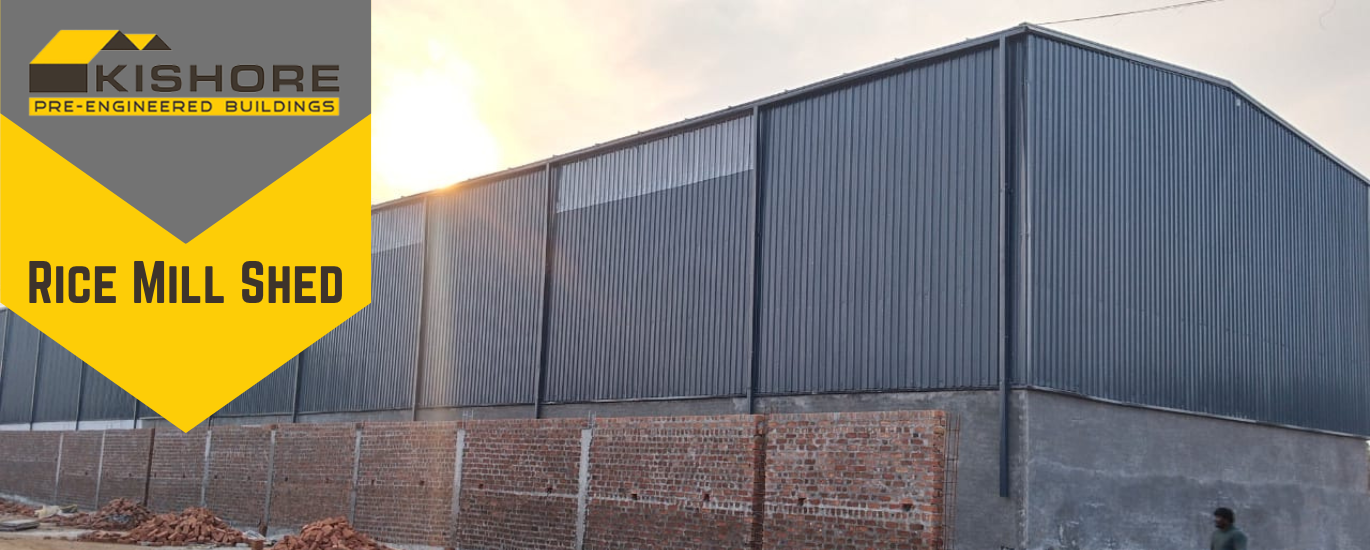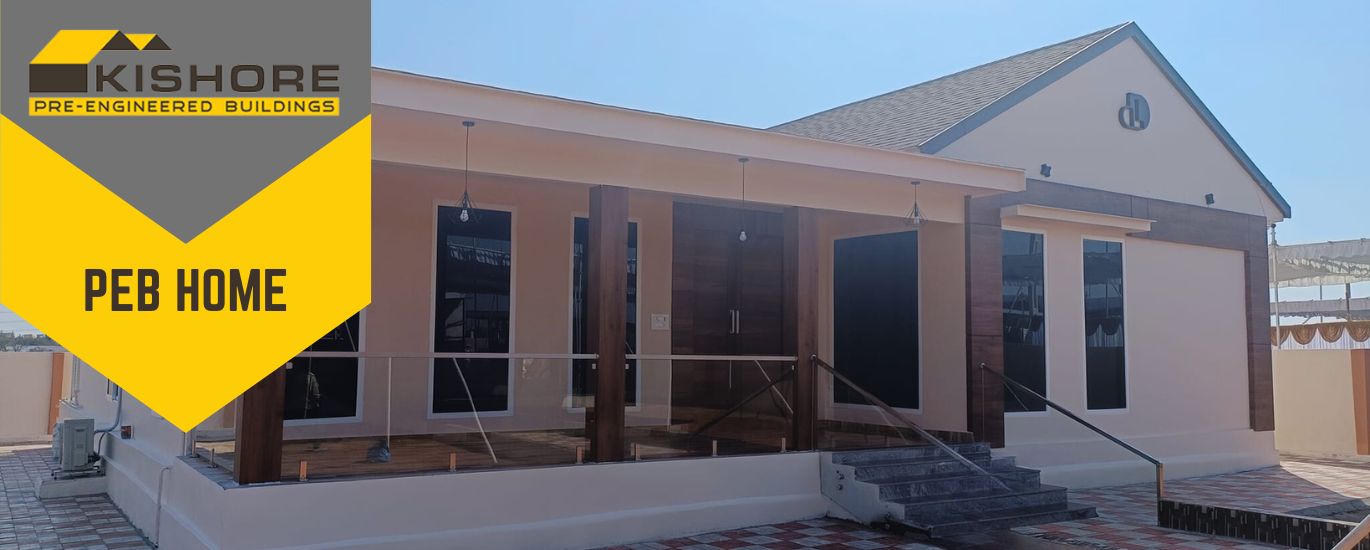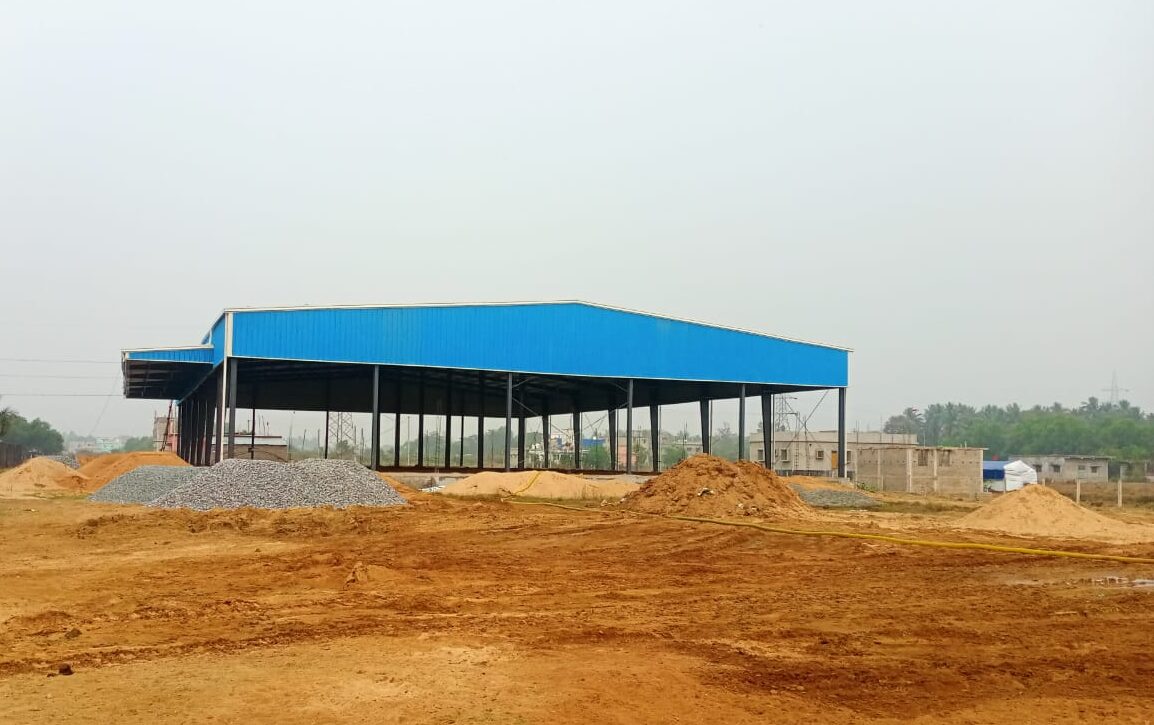


Understanding Pre-Engineered Buildings (PEBs)
India’s rapid urbanization and industrial growth have significantly increased the demand for efficient and sustainable construction methods. Pre-Engineered Buildings (PEBs) have emerged as a pivotal solution, offering both environmental benefits and structural efficiency. This article delves into the sustainable practices integral to PEB construction in India, emphasizing their role in promoting eco-friendly development.
PEBs are factory-fabricated structures designed to meet specific site requirements and assembled on-site. Typically constructed using steel, these buildings are renowned for their versatility, durability, and swift construction timelines. The components are manufactured in a controlled environment, ensuring precision and reducing material wastage.
Quick Answer: Pre-engineered buildings are inherently well placed on sustainability because steel carries high recycled content and is fully recyclable at end of life, and because factory fabrication produces far less site waste than cast-in-place construction. The design decisions that make the biggest practical difference are an insulated envelope to cut cooling load, translucent roof sheeting and skylights to reduce daytime lighting demand, a roof designed to carry solar panel dead load with mounting rails integrated, and rainwater harvesting routed through the building’s own gutters and downtakes. These frameworks — IGBC, GRIHA, LEED and the energy conservation building code — are what most clients certify against.
Sustainable Materials in PEB Construction
Use of Recyclable Steel
Steel, the primary material in PEBs, is highly recyclable, reducing the need for virgin resources and minimizing environmental impact. The recycling process of steel conserves energy and significantly cuts down greenhouse gas emissions. Moreover, steel’s strength and durability ensure that structures have a prolonged lifespan, further contributing to sustainability. Nearly 95% of steel products can be recycled without losing their engineering properties, making PEBs one of the most sustainable construction options available.
Incorporation of Fly Ash
Integrating fly ash, a by-product of coal combustion, into construction materials like concrete enhances durability and diverts waste from landfills, promoting a circular economy. Fly ash-based products exhibit superior strength and resistance to environmental factors, making them ideal for sustainable construction.
Autoclaved Aerated Concrete (AAC) Blocks
AAC blocks are lightweight, provide excellent thermal insulation, and are made from non-toxic materials. Their use in PEB construction reduces the overall weight of the structure, leading to decreased foundation costs and improved energy efficiency. Additionally, AAC blocks are resistant to pests and fire, enhancing the building’s safety and longevity.
Energy Efficiency in PEBs
Optimized Insulation Techniques
Effective insulation in PEBs minimizes energy consumption by maintaining optimal indoor temperatures, reducing reliance on heating and cooling systems. This leads to significant energy savings and a lower carbon footprint. Materials such as mineral wool and polyurethane foam are commonly used for insulation, offering high thermal resistance and durability. PEBs are designed with energy efficiency in mind, often incorporating high-performance insulation to reduce heating and cooling costs, thereby lowering energy consumption.
Integration of Renewable Energy Systems
Incorporating renewable energy sources, such as solar panels, into PEB designs allows buildings to generate their own electricity, decreasing dependence on non-renewable power sources. This practice aligns with India’s renewable energy goals and contributes to sustainable development. Solar photovoltaic systems can be installed on rooftops or integrated into building facades, harnessing solar energy effectively.
Reflective Roofing and Wall Panels
Using reflective materials for roofing and wall panels reduces heat absorption, maintaining cooler indoor environments and reducing the need for air conditioning. This not only conserves energy but also enhances occupant comfort. High Solar Reflectance Index (SRI) materials are preferred for this purpose, as they effectively reflect solar radiation. Metal roofs in PEBs reflect heat and solar energy, leading to significant savings in electricity bills as the requirement for air conditioning is minimized.
Waste Reduction and Management
Precision Manufacturing
The factory-controlled fabrication of PEB components ensures precise material usage, significantly reducing construction waste. This controlled environment allows for efficient resource management and minimizes on-site waste generation. Additionally, any excess materials can be recycled or repurposed, further reducing waste. PEBs’ streamlined manufacturing process significantly reduces material waste, making them a more sustainable choice.
Modular Construction
PEBs utilize modular construction techniques, allowing for components to be prefabricated and assembled on-site. This approach not only speeds up the construction process but also minimizes waste generation. Modules can be designed to exact specifications, reducing the need for on-site modifications and associated waste.
Deconstruction and Reusability
At the end of a PEB’s lifecycle, components can be deconstructed and reused or recycled, reducing demolition waste and promoting a circular economy. Steel components, in particular, can be melted down and reformed without loss of quality, making them ideal for reuse.
Water Conservation Strategies
Rainwater Harvesting
Designing PEBs with rainwater harvesting systems enables the collection and storage of rainwater for non-potable uses, reducing the demand on municipal water supplies and promoting water conservation. Collected rainwater can be used for landscaping, flushing toilets, and other applications, decreasing overall water consumption. Rainwater harvesting stands as an effective method of conserving water and reducing dependence on freshwater sources.
Efficient Plumbing Fixtures
Installing low-flow plumbing fixtures in PEBs decreases water consumption, contributing to overall water conservation efforts and reducing utility costs. Fixtures such as low-flow toilets, faucets, and showerheads can significantly reduce water usage without compromising performance. Low-flow plumbing fixtures can significantly lessen water consumption in buildings, aiding in sustainable real estate development.
Greywater Recycling
Implementing greywater recycling systems allows for the reuse of wastewater from sinks, showers, and laundry for non-potable purposes such as irrigation and toilet flushing. This practice offers several benefits:
- Water Conservation: By reusing greywater, households can significantly reduce their freshwater consumption, leading to conservation of valuable water resources.
- Cost Savings: Utilizing recycled greywater can lower water bills, as less potable water is needed for non-drinking purposes.
- Environmental Benefits: Greywater recycling decreases the volume of wastewater entering sewage systems, reducing environmental pollution and easing the burden on wastewater treatment facilities.
- Soil Enrichment: When used for irrigation, greywater can provide essential nutrients to plants, promoting healthier growth and reducing the need for chemical fertilizers.
However, it’s crucial to ensure that greywater is properly treated and free from harmful chemicals before reuse. Regular maintenance of greywater systems is necessary to prevent contamination and ensure efficient
Standards and Certification Driving Sustainable PEB Design
Sustainable design in Indian industrial construction is increasingly driven by certification frameworks and client requirements rather than by regulation alone.
- IGBC and GRIHA ratings — the common Indian green building frameworks, both of which reward envelope performance, daylighting and water management.
- LEED — frequently specified by multinational occupiers, and steel structures score well on recycled content and end-of-life recyclability.
- Energy conservation building codes — drive insulation, glazing and lighting specification for conditioned spaces.
- Corporate net-zero commitments — increasingly the real driver, pushing solar-ready roof design and measured energy performance into the building brief.
In practice the structural decisions that matter are a roof designed to carry solar dead load, a properly insulated envelope, translucent sheeting for daylight, and rainwater harvesting routed through the building’s own gutters — all far cheaper to design in than to retrofit.
Future Trends in Sustainable PEB Construction
The trajectory of PEB construction in India is poised to embrace several trends aimed at enhancing sustainability.
Adoption of Smart Building Technologies
Integrating Internet of Things (IoT) devices and building management systems can optimize energy usage, monitor structural health, and improve occupant comfort in PEBs. These technologies enable real-time data collection and analysis, facilitating proactive maintenance and energy management.
Use of Advanced Sustainable Materials
Ongoing research and development in sustainable materials, such as self-healing concrete and bio-based composites, are expected to influence PEB construction. These materials can further reduce environmental impact and enhance building performance.
Emphasis on Circular Economy
The concept of a circular economy, focusing on resource efficiency and waste minimization, is likely to gain prominence in PEB construction. This approach promotes practices like material reuse and design for deconstruction, aligning with sustainable development principles.
Get a Free PEB Design & Indicative Estimate.
Share your plot location and requirement — our engineers call you back within 24 hours with a PEB factory or warehouse design and transparent costing.
- Clear-span PEB buildings engineered per IS 800
- Wind & seismic design per IS 875 Part 3 / IS 1893
- In-house fabrication at Jeedimetla, Hyderabad
- Faster erection than RCC — months, not years
- 45+ years steel fabrication, 700+ projects delivered
Prefer to speak directly? Call 9440407852
Our PEB engineers will call you back shortly with your free PEB proposal and quotation.
Want a faster response?
📱 Chat with us on WhatsAppFrequently Asked Questions (FAQs)
What are the main environmental benefits of using PEBs over traditional construction methods?
PEBs offer several environmental benefits, including reduced material waste due to precision manufacturing, use of recyclable materials like steel, enhanced energy efficiency through optimized insulation, and potential integration of renewable energy systems.
How do PEBs contribute to water conservation?
PEBs can incorporate water-saving features such as rainwater harvesting systems, efficient plumbing fixtures, and greywater recycling, significantly reducing water consumption and promoting sustainable water management.
Are there specific certifications for sustainable PEBs in India?
Yes, certifications like GRIHA (Green Rating for Integrated Habitat Assessment) and compliance with the Energy Conservation Building Code (ECBC) are applicable to PEBs, recognizing their adherence to sustainable construction practices.
Can PEBs be designed to be net-zero energy buildings?
Absolutely. By integrating energy-efficient designs, high-performance insulation, and renewable energy systems like solar panels, PEBs can achieve net-zero energy status, producing as much energy as they consume.
What standards drive sustainable PEB construction in India?
Sustainable industrial design in India is driven mainly by certification frameworks and client requirements: IGBC and GRIHA ratings, LEED for multinational occupiers, and the energy conservation building code (ECBC) for conditioned spaces. Structurally, what matters is a roof designed to carry solar dead load, a properly insulated envelope, translucent sheeting for daylight, and rainwater harvesting routed through the building’s own gutters.
Sustainable practices in Pre-Engineered Building construction are vital for addressing India’s environmental challenges while meeting its infrastructural demands. By incorporating recyclable materials, energy-efficient designs, waste reduction strategies, and water conservation measures, PEBs significantly contribute to eco-friendly development. Government policies and emerging trends further support the adoption of sustainable PEBs, positioning them as a key component of India’s green building movement.